

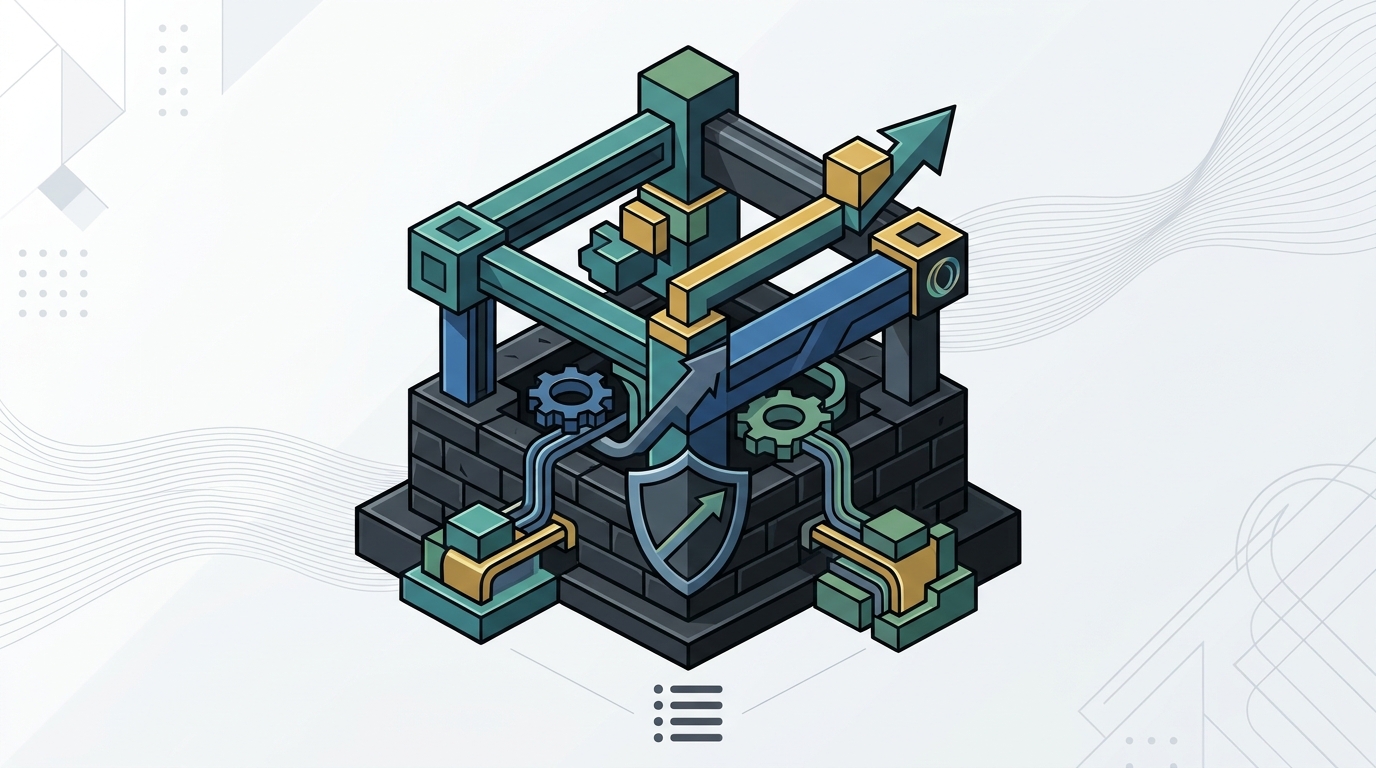
Coordinate insurance with investment and tax planning by treating protection as a structural layer that preserves your capital and income. This approach ensures that a single event, such as illness or death, does not derail your long-term wealth strategy or create an unexpected tax liability. At Obsidian Wealth, we view risk management as the foundation upon which all other financial decisions are built.
Insurance as a Structural Financial Layer
Many high-income professionals treat insurance as a standalone expense, often purchasing it without considering how it interacts with their broader portfolio. This siloed approach can lead to over-insurance, where premiums drain cash flow that could otherwise be invested, or under-insurance, where a claim fails to cover the true cost of a financial shock. Insurance is a financial instrument designed to transfer specific risks, and its value is only realized when it aligns with your overall asset structure.
When you integrate insurance into your investment plan, you are not just buying a policy; you are protecting the compounding potential of your assets. For example, if a key income earner in a family is incapacitated, the loss of income is not just a cash flow issue; it is a threat to the investment portfolio that was meant to fund retirement. By coordinating these elements, you ensure that your protection covers the actual gap in your financial life, rather than a generic, one-size-fits-all amount.
The Tax Implications of Premiums and Claims
Tax treatment is a critical differentiator in how insurance interacts with your wealth. In Australia, the tax deductibility of premiums and the tax-free status of claims vary significantly depending on the type of cover and how it is held. For instance, premiums for income protection insurance paid by an individual are generally not tax-deductible, whereas premiums paid by an employer may be treated differently. Understanding these nuances is essential for optimizing your after-tax return on protection.
Furthermore, the way a claim is paid out can have significant tax consequences. Life insurance proceeds are typically tax-free for the beneficiary, but if the policy is held within a superannuation fund, the tax treatment of the death benefit depends on the member's age and dependant status. Coordinating this with your tax planning ensures that you are not inadvertently creating a tax liability at the most difficult time. At Obsidian Wealth, we work alongside your accountant to ensure that your insurance structures are as tax-efficient as your investment structures.
Aligning Cover with Investment Goals
Your investment goals dictate the type and amount of insurance you need. If your primary goal is to build a large investment portfolio for retirement, your insurance must be sufficient to protect that portfolio from being liquidated prematurely. This often means that the sum insured for life and total and permanent disability (TPD) cover should reflect not just your income, but also your outstanding debts and the value of your investment assets.
Consider a professional with a high mortgage and a significant investment portfolio. If they were to become permanently disabled, they would need cover that pays off the mortgage and provides enough income to maintain their investment contributions. Without this coordination, they might be forced to sell investments at a loss to cover living expenses, effectively destroying their long-term wealth. This is why we review your insurance cover in the context of your entire financial plan, not in isolation.
Reviewing Insurance as Your Wealth Grows
Insurance needs are not static; they evolve as your wealth and life circumstances change. As your investment portfolio grows, your insurance needs may also increase, as the amount of wealth you are protecting becomes larger. Conversely, as your mortgage is paid down, your life insurance needs may decrease. Regular reviews are essential to ensure that your insurance remains aligned with your current financial position.
At Obsidian Wealth, we recommend reviewing your insurance cover at least annually or whenever there is a significant change in your financial situation, such as a change in income, a new child, or a major investment. This proactive approach ensures that you are not overpaying for unnecessary cover or under-insured for new risks. By treating insurance as a dynamic part of your financial plan, you can maintain a robust and efficient protection strategy.
Key Takeaways
- Insurance is a structural layer that protects your investment portfolio and income, not just a standalone expense.
- Tax treatment of premiums and claims varies by policy type and holding structure, impacting your after-tax return.
- Sum insured should reflect your total financial obligations, including debts and investment assets, not just your income.
- Regular reviews are essential to ensure insurance remains aligned with your evolving wealth and life circumstances.
- Coordinating insurance with tax and investment planning prevents the need to liquidate assets prematurely during a financial shock.
Frequently Asked Questions
How does insurance affect my investment portfolio?
Insurance protects your investment portfolio by ensuring that you do not have to sell assets to cover living expenses or debts in the event of a financial shock. This preserves the compounding potential of your investments.
Are insurance premiums tax-deductible in Australia?
Generally, individual premiums for income protection and life insurance are not tax-deductible. However, premiums paid by an employer may be treated differently. The tax treatment of claims also varies depending on the type of cover and how it is held.
How much life insurance do I need if I have a large investment portfolio?
Your life insurance needs should reflect your total financial obligations, including outstanding debts, future income needs, and the value of your investment assets. This ensures that your beneficiaries are not left with a financial burden.
Should I hold my insurance inside or outside super?
Holding insurance inside super can be tax-effective, as premiums are paid from pre-tax contributions. However, the tax treatment of death benefits depends on your age and dependant status. It is important to consider the trade-offs between tax efficiency and flexibility.
How often should I review my insurance cover?
We recommend reviewing your insurance cover at least annually or whenever there is a significant change in your financial situation, such as a change in income, a new child, or a major investment.
Conclusion
Coordinating insurance with your investment and tax planning is essential for protecting your long-term wealth. By treating insurance as a structural layer of your financial plan, you can ensure that your protection is aligned with your goals and optimized for tax efficiency. At Obsidian Wealth, we help you navigate these complex interactions, ensuring that your financial plan is robust and resilient. To discuss how we can coordinate your insurance with your broader financial strategy, book a call with our team today.